Fotona 4D Laser Facial (TimeWalker) in Encino, CA for a Radiant Complexion
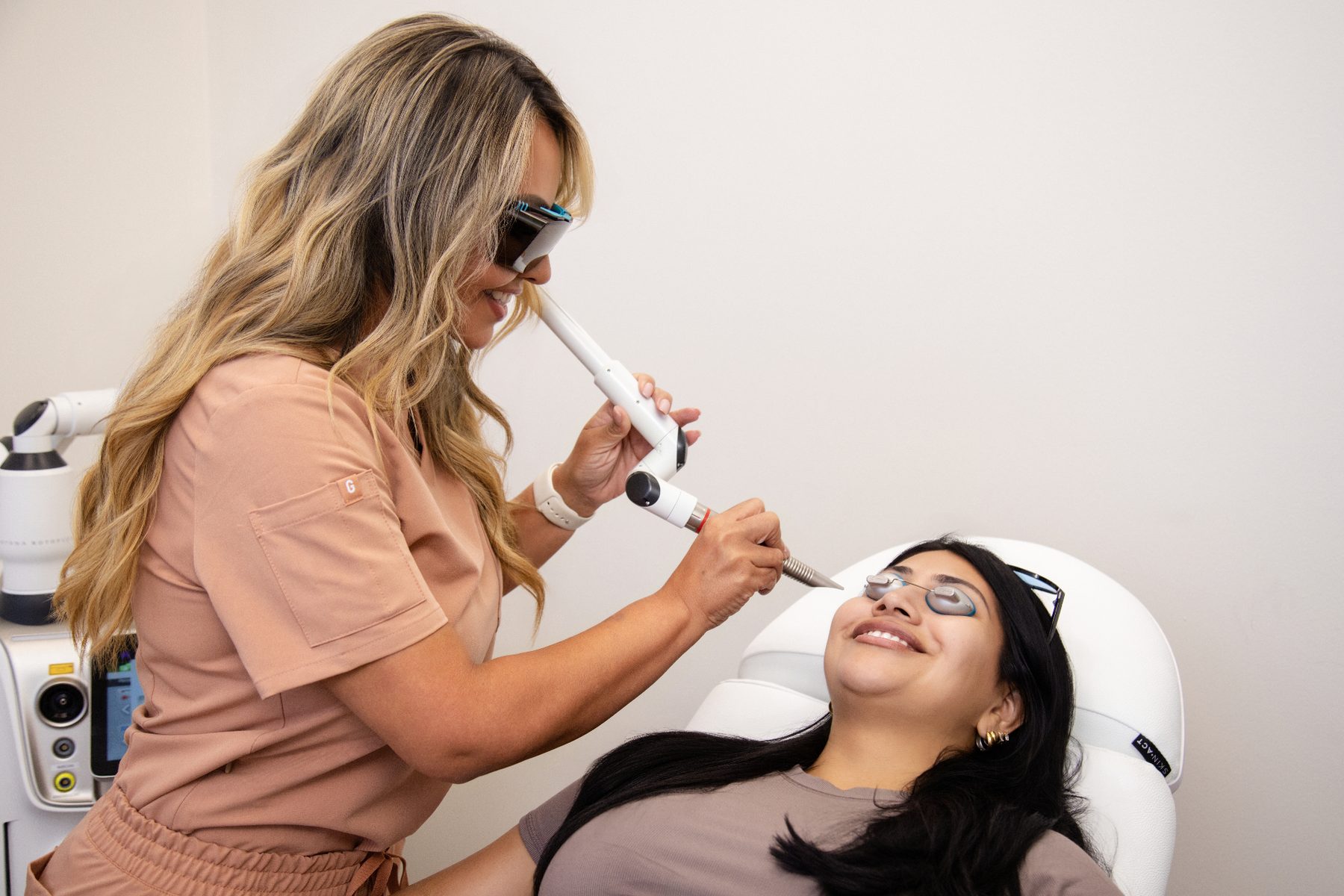
A good facial treatment should do more than create a fleeting glow for two days and then disappear. It should address texture, tone, laxity, and that hard-to-name quality people usually describe as looking tired. That is why interest in the Fotona 4D Laser Facial, often associated with the TimeWalker platform, keeps growing among patients in Encino who want visible improvement without stepping straight into surgery or a lengthy recovery.
What makes this treatment stand out is not hype. It is the layered approach. Rather than relying on a single pass with a single wavelength, Fotona 4D uses several modes in sequence to work on the skin from different angles. In practice, that means a provider can target deeper tissue support, Fotona 4D Laser Facial (TimeWalker) Encino, CA surface refinement, and overall brightness in one session plan. For the right patient, that combination can be more useful than chasing one isolated concern at a time.
Encino patients tend to be savvy about aesthetic care. Many have already tried peels, microneedling, or standard facials and know the difference between a spa result and Fotona 4D Laser Facial (TimeWalker) Encino, CA a medical one. They often want to soften early jowling, reduce crepey texture around the mouth, refresh the under-eye area, and brighten dull skin, all while keeping downtime manageable. The appeal of the Fotona 4D Laser Facial (TimeWalker) Encino, CA searches reflect that exact demand.
Why this treatment gets so much attention
The phrase “4D” can sound like pure marketing until you see what it actually refers to. The treatment generally combines multiple laser steps, often using erbium and Nd:YAG wavelengths in a sequence designed to tighten, stimulate collagen, and polish the skin. One of the more distinctive elements is the intraoral component, where the provider treats from inside the mouth to heat tissue in the perioral and cheek area. Patients are often surprised by that step, but it is one of the reasons the treatment can be useful for softening smile lines and supporting the midface without needles in that exact moment.
From a practical standpoint, the value lies in versatility. A patient in their late thirties with early laxity and enlarged pores can be treated very differently from someone in their fifties who is more concerned about etched lines around the lips and mild skin sagging. The platform allows room for customization, which matters because aging does not show up the same way on every face.
In the office, one of the most common conversations goes like this: a patient wants to look fresher, but not “done.” They are not asking for a dramatic lift. They want their skin to reflect how rested and healthy they feel on a good day. That is the sweet spot for treatments like Fotona 4D. It can create a more rested appearance by improving structure and surface at once, especially when expectations are realistic.
What the TimeWalker platform is designed to do
TimeWalker is a platform name associated with advanced Fotona treatment capabilities, and patients often encounter the two terms together. While settings and protocols vary by practice, the general goal is collagen remodeling and skin renewal with controlled thermal energy. That sounds technical, but the result patients care about is simpler: smoother texture, firmer-feeling skin, and a brighter complexion that looks less flat.
This is not the same as a traditional facial. No esthetician is massaging in a serum and sending you home glowing for the weekend. It is also not identical to an aggressive resurfacing laser that can leave a patient hiding indoors for ten days. It sits in a middle category that many busy adults appreciate. The treatment can be meaningful enough to improve visible signs of aging, yet often gentle enough that downtime stays moderate, especially when lower-intensity settings are selected.
That said, “no downtime” is one of those phrases that gets thrown around too easily in aesthetics. A better way to think about it is social downtime. Some patients leave pink for a day or two. Some feel warmth and tightness. Some peel lightly, depending on how aggressively the surface was treated. Others have very little visible after-effect beyond a healthy flush. The experience depends on protocol, skin type, and treatment goals.
The concerns it commonly addresses
Patients considering Fotona 4D are usually dealing with a mix of concerns rather than one single issue. That matters because combination complaints often respond best to combination technology.
The treatment is frequently used for mild to moderate skin laxity, especially around the lower face and jawline. It can also help with fine lines around the mouth, uneven texture, enlarged pores, and dullness. In some cases, providers use it to improve the look of acne scarring or roughness, though that tends to depend on how deep the scars are and whether another modality would do more.
A patient with sun damage from years of driving around Los Angeles with the left side of the face catching light through the window may notice uneven pigmentation, rough texture, and a loss of elasticity all at once. A single superficial treatment might brighten that skin temporarily, but it would not do much for firmness. A deeper tightening treatment alone might improve support but leave the surface still looking tired. Layering matters.
What a session usually feels like
Most people want this answer before anything else. Does it hurt?
The honest answer is that it is tolerable for most patients, but comfort varies. Parts of the treatment feel warm and prickly. Some sections, particularly around the mouth or in more delicate areas, can feel sharper. The intraoral step feels unusual rather than painful for many people. Topical numbing may or may not be used depending on protocol. Cooling, operator technique, and the patient’s own pain threshold make a real difference.
A full visit usually involves cleansing, photos, preparation, treatment, and post-care instructions. The treatment itself can take under an hour or somewhat longer depending on the area treated and whether the provider is pairing it with other services. Patients often leave looking pink, as if they have been in the sun or after a vigorous workout. That tends to settle.
If you have ever had microneedling with radiofrequency, many patients describe the sensation as different rather than clearly better or worse. If you have had stronger ablative laser resurfacing, this is typically a milder experience. Those comparisons are imperfect, but they help set expectations.
How results develop over time
Laser treatments that stimulate collagen are rarely one-and-done miracles. Some patients notice an early improvement in brightness and smoothness within days to a couple of weeks. The firmer, more refined look tends to emerge gradually as collagen remodeling unfolds. That process takes time. Providers often quote several weeks to a few months for fuller effects, especially when laxity is one of the main concerns.
This is where judgment matters. If someone has an important event in ten days and wants a dramatic transformation, Fotona 4D may not be the ideal stand-alone choice. If they want a healthy refreshed look with a chance of some immediate radiance and the possibility of ongoing improvement, it may fit well. For weddings, reunions, or major photo events, planning well ahead is smart.
A series is often recommended. Not because every clinic wants to sell a package, but because cumulative treatment usually produces more consistent change than one isolated session. A patient with mild concerns may be pleased after a single visit. Someone with more established laxity or etched lines often benefits from multiple treatments spaced over time.
Who tends to be a good candidate
The best candidate is not simply someone who wants younger skin. It is someone whose goals match what the technology can realistically deliver.
Many good candidates are noticing early to moderate signs of aging but are not ready for surgical intervention. They may have slight skin looseness, fine lines around the mouth, rough texture, or skin that no longer reflects light the way it used to. They want improvement, not a completely different face. They also understand that lasers can enhance the skin and support tissue, but they do not replace the lifting effect of surgery in someone with more advanced sagging.
Skin type also matters. Safety and settings should always be tailored to the individual, particularly in patients with more melanin-rich skin, a history of post-inflammatory pigmentation, melasma, or sensitivity. An experienced provider should evaluate the entire picture, not just the wrinkles in isolation.
The consultation should cover a few basics:
- Your main concern, whether that is texture, laxity, fine lines, or overall dullness.
- Your timeline, especially if you are planning around travel, work, or an event.
- Your medical history, including cold sores, recent isotretinoin use, or photosensitizing medications.
- Your skin behavior, such as pigmentation tendencies, scarring history, or rosacea flares.
- Your tolerance for downtime and your willingness to follow aftercare carefully.
If that sounds obvious, it is because the basics are what protect outcomes. Problems usually happen when people skip them.
How it compares with other popular treatments in Encino
Encino has no shortage of options for facial rejuvenation. Patients often arrive comparing Fotona 4D to microneedling, radiofrequency treatments, IPL, fractional lasers, Sofwave, Ultherapy, or injectables. The right choice depends less on trends and more on anatomy.
Microneedling, with or without radiofrequency, is often excellent for texture and mild scarring. It can also stimulate collagen, but the feel and the mechanism differ. IPL is useful for pigment and redness, though it does not create the same tightening effect. Ultherapy and Sofwave target deeper support but are not focused on skin texture the way a multi-step laser treatment can be. Fractional resurfacing lasers can be stronger for etched texture and wrinkles, but usually ask more of the patient in downtime.
Injectables belong in the conversation too. A patient with dynamic forehead lines will not laser their way out of muscle movement. A patient with true volume loss in the cheeks may still benefit from filler, biostimulatory injectables, or both. The best aesthetic plans are often layered, not loyal to one device.
This is where patients appreciate candor. If someone has heavy lower-face laxity, a provider should not oversell Fotona 4D as a nonsurgical facelift. If someone mainly has blotchy redness and broken capillaries, another light-based treatment may be more direct. On the other hand, if the issue is a blend of mild laxity, smoker’s lines, dullness, and enlarged pores, Fotona 4D can be a smart middle-ground choice.
What recovery really looks like
Recovery is often easier than patients fear, but it is not nothing. The skin may feel warm, dry, or tight. Some patients experience a sandpapery feel for a few days, especially if the surface was treated more assertively. Makeup is often possible after a short interval, depending on the exact protocol and the provider’s instructions.
Sun protection becomes non-negotiable. This is Southern California. Even quick errands, school pickups, or lunch on a patio add up. Freshly treated skin needs diligent SPF, shade, and common sense. Skincare also needs to stay gentle for a period of time. That usually means stepping away from strong acids, retinoids, abrasive scrubs, and the temptation to “help” peeling skin along.
For patients with a history of herpes simplex outbreaks around the mouth, prophylactic antiviral medication may be discussed. That is not dramatic, just responsible. Laser and heat can sometimes trigger a recurrence, and good practices are built around preventing avoidable complications.
Why provider skill matters more than people realize
Devices matter, but hands matter more.
A skilled provider knows how to read faces, not just operate settings. They understand that a patient with thin dry skin around the mouth, mild rosacea on the cheeks, and deeper volume loss under the eyes cannot be treated exactly like a patient with thicker oily skin and enlarged pores. They know when to lean into tightening, when to back off surface aggression, and when another treatment would serve the patient better.
One of the clearest signs of experience is how a consultation handles nuance. A strong provider will explain what the treatment can improve, what it probably will not fix, and how many sessions might reasonably be needed. They will talk about maintenance. They will discuss risks in plain language. They will not promise dramatic lifting from a single session if the anatomy says otherwise.
Encino patients often have access to many reputable med spas and cosmetic practices, which is a benefit, but it also means marketing can be loud. Before booking the first available appointment, it helps to look for consistency in before-and-after photos, careful candidacy screening, and a treatment plan that sounds individualized rather than copied and pasted.
Questions worth asking at a consultation
Patients do better when they ask specific questions instead of simply “Will this work for me?” Broad questions invite broad answers. Specific questions get useful detail.
Consider asking how the provider adjusts the protocol for your skin type, what the likely downtime will be for the settings recommended, and whether your concern is better treated with Fotona 4D alone or as part of a larger plan. Ask what improvement range is realistic after one session versus a series. Ask how often maintenance is typically needed. Those questions tend to reveal whether the conversation is grounded in experience.
Price also comes up, of course, and it should. Costs vary widely by market, provider, treatment scope, and whether combination services are included. Cheaper is not always a bargain if the treatment is too conservative to make a difference or too aggressive for your skin. Value comes from appropriate settings, good judgment, safe care, and outcomes that justify the investment.
Pairing the treatment with good skin habits
A laser facial can move the needle, but it cannot outwork poor daily habits forever. Patients who maintain results best usually do a few simple things consistently. They protect from sun, use supportive skincare, and avoid bouncing from one trendy treatment to another every month.
The basics that usually help most are these:
- Daily broad-spectrum sunscreen with real reapplication, not just a morning swipe.
- A nighttime routine that supports turnover and repair, often with a retinoid if tolerated.
- Moisture barrier support, especially after procedures and during drier seasons.
- A sensible maintenance schedule rather than waiting years between treatments.
- Clear communication with your provider when your skin changes or reacts unexpectedly.
None of that is glamorous, but it is the difference between a short-lived boost and a long-term improvement in skin quality.
The Encino angle
There is a reason treatments like this resonate in Encino specifically. The local patient population often wants polished, healthy, camera-ready skin that still looks believable in daylight. Many are balancing work, family, social events, outdoor exposure, and limited recovery time. They want treatments that fit into real life.
Climate and lifestyle matter too. Sun exposure is not theoretical in the San Fernando Valley. Heat, driving, outdoor dining, hiking, and weekend sports all influence skin aging and post-treatment care. Providers practicing in this area tend to see a recurring pattern: pigment issues mixed with dehydration, early laxity mixed with repetitive-expression lines, and a strong preference for treatments that look natural. The Fotona 4D Laser Facial (TimeWalker) Encino, CA interest makes sense in that context because it aims at skin quality and firmness without demanding a full reset of daily life.
That does not mean it is universally right. Some patients need pigment-first treatment. Some need a dedicated vascular approach. Some need surgery, not another device session. But for a large middle group, especially those looking for a polished yet understated refresh, the treatment has a practical place.
Setting realistic expectations
The phrase “radiant complexion” can mean different things to different people. For one person, it means smoother makeup application and less creasing around the mouth. For another, it means tighter-feeling cheeks and a brighter look after years of sun exposure. For someone else, it means simply being able to skip heavy foundation because the skin looks more even on its own.
A successful outcome starts with matching that personal definition of radiance to the treatment’s actual strengths. Fotona 4D tends to shine when the goal is multidimensional improvement, not a single dramatic correction. Better texture, more bounce, softened fine lines, a fresher overall finish, those are the kinds of changes that make people say you look well without necessarily knowing why.
That subtlety is often the point. The best aesthetic work rarely announces itself. It just lets the face look more awake, more refined, and a little closer to how it looked before stress, sun, and time started leaving their marks.
For patients in Encino considering their next step, that is the conversation worth having. Not whether a treatment is trendy, but whether it fits your skin, your schedule, your anatomy, and your threshold for downtime. When those pieces align, a Fotona 4D Laser Facial through the TimeWalker platform can be a very effective way to restore radiance without chasing an artificial result.
OMNIA Wellness Center
16430 Ventura Blvd Ste 207, Encino, CA 91436
Phone: +1 818-386-8511
FAQ About Fotona 4D Laser Facial (TimeWalker) Encino, CA
What is a Fotona laser good for?
Fotona lasers support several different aesthetic protocols. The Fotona 4D facial uses two wavelengths and four treatment modes to address concerns such as fine lines, skin texture, and mild laxity. OMNIA Wellness Center offers the TimeWalker facial with an individual consultation. Suitability and likely improvement depend on the person's skin and goals; results are not guaranteed, and this treatment does not reproduce a surgical facelift.
How much does a Fotona laser treatment cost?
The cost depends on the treatment protocol, areas treated, number of sessions, and provider's assessment. Ask OMNIA Wellness Center for a current written quote that explains what is included, whether follow-up is included, and any proposed package terms. An individualized estimate is more useful than assuming that one advertised price applies to every facial treatment.
How much downtime is there after a Fotona laser procedure?
Recovery varies with the specific protocol and intensity. Fotona describes its 4D facial as having little to no downtime, but temporary redness or sensitivity can occur, and a stronger surface treatment can require more recovery. Ask the treating clinician what to expect from the planned settings, how to care for the skin afterward, and when to contact the clinic with concerns.