Fotona Laser Treatments in Encino, CA: Practical Tips Before You Book
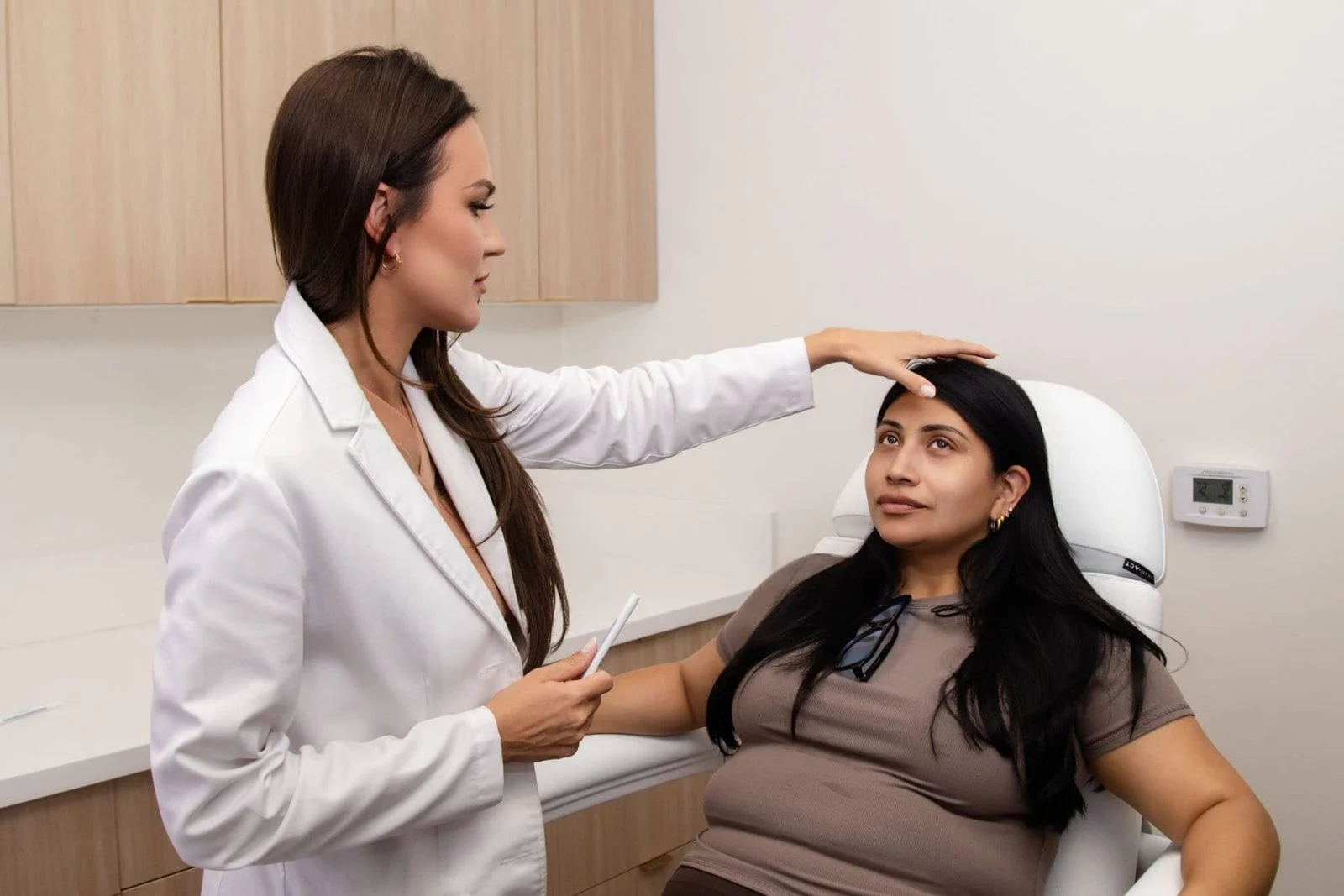
If you have been researching laser treatments in the San Fernando Valley, you have probably come across Fotona more than once. That is not an accident. Fotona platforms are used for a wide range of aesthetic and medical procedures, and in a place like Encino, where patients tend to be well informed and comparison shop carefully, the name comes up often.
Still, the brand name alone does not tell you whether a treatment is right for your skin, your goals, or your budget. That is where people get tripped up. They hear “Fotona laser” and assume they are looking at one standard treatment. In reality, the experience can vary a lot depending on the handpiece, the settings, the provider’s training, and the condition being treated.
If you are considering Fotona Laser Treatments Encino, CA, the smartest move is not to chase the most dramatic before and after photo. It is to understand what you are actually booking, what result is realistic for your skin, and what kind of office is delivering the treatment.
Why Fotona gets so much attention
Fotona has built a strong reputation because its laser systems are versatile. In practical terms, that means one office may use a Fotona device for skin rejuvenation, pigment concerns, acne scarring, texture refinement, vascular issues, or noninvasive tightening, while another may focus on a narrower set of indications. The appeal is flexibility, but that flexibility also creates confusion for patients.
A common scenario goes like this: someone books a “laser facial” expecting a light refresh with little downtime, then learns at the consultation that the office is recommending a more aggressive resurfacing session with several days of redness and peeling. Someone else comes in hoping to erase deeper acne scarring in one visit and is disappointed to hear that real improvement usually happens gradually over a series of treatments.
Neither situation means the provider is doing anything wrong. It means the patient walked in with a fuzzy picture of what the technology can and cannot do.
Fotona systems can be very effective when used appropriately, but they are tools, not magic. Outcomes depend on diagnosis, energy settings, skin type, treatment interval, aftercare, and operator judgment. Those details matter far more than the logo on the machine.
The first question to ask: what exactly are you treating?
This sounds obvious, but many consultations start too broadly. A patient says, Fotona Laser Treatments Encino, CA “I want my skin to look better,” and the discussion never becomes precise enough. Better in what way? Fine lines around the eyes are a different problem than brown spots from sun exposure. Residual acne marks are different from active breakouts. Mild laxity around the jawline is different from etched-in wrinkles or crepey under-eye skin.
When I see people make good decisions about laser care, they are usually able to identify their main complaint in plain language. They might say their skin feels rough, their pores look enlarged, they have stubborn sun damage on the cheeks, or they want tightening but are not ready for surgery. That level of clarity helps the provider decide whether Fotona is suitable and, just as important, whether another option might be better.
In Encino, where med spas and cosmetic dermatology practices compete closely, patients are often offered multiple paths. That can be a good thing. It can also lead to overselling. If your primary issue is volume loss, a laser may soften texture but will not replace lost facial structure. If your concern is melasma, a laser approach has to be handled carefully because heat can worsen pigment in some people. If your skin barrier is irritated and inflamed, jumping straight into energy-based treatment may be the wrong first move.
A good consultation narrows the focus. It does not turn every concern into a laser problem.
Encino is a strong market, which means you should expect more from the consultation
One advantage of looking for Fotona Laser Treatments Encino, CA is that you are not shopping in a thin market. There are experienced cosmetic physicians, dermatology offices, plastic surgery practices, and established med spas nearby. That gives you options. It also means you can afford to be selective.
A worthwhile consultation should leave you with a clear understanding of three things: what the provider plans to treat, how they plan to treat it, and what the recovery is likely to feel like in real life. Not brochure language, real life.
Real life means whether you can go back to Zoom calls the same day, whether your skin may be visibly pink for two days or seven, whether makeup is allowed after 24 hours or should be avoided longer, and whether you will need a series. It also means discussing whether sun exposure, active acne medications, a recent tan, or a history of cold sores changes the timing or safety of treatment.
I have seen the best consultations include a lot of “if, then” thinking. If your skin responds calmly, we can increase intensity at the next session. If you are prone to post-inflammatory hyperpigmentation, we may use a more conservative approach. If your event is in ten days, we may postpone anything aggressive. That kind of judgment is what separates a polished provider from a sales script.
Not all Fotona treatments feel the same, and that matters
Patients often ask whether Fotona is painful. The honest answer is that it depends on the treatment being performed. Some sessions feel warm and prickly, with minimal downtime. Others can be significantly more intense and may involve numbing, heat buildup, and several days of visible recovery.
That variation matters because discomfort and downtime affect adherence. A patient who happily commits to a series of lighter treatments may back out after one session if the recovery was undersold. On the other hand, someone who wants a more meaningful reset in texture may prefer one stronger treatment with planned downtime rather than six lighter visits spread across months.
This is where provider communication matters. If the office describes everything as “just a little redness,” be cautious. Redness can mean one hour of mild flushing, or it can mean you look sunburned for several days. Tiny differences in wording can create very different expectations.
It is also worth asking whether the office customizes settings for skin type and treatment history. A first-time patient with reactive skin should not be approached the same way as someone who has tolerated multiple resurfacing procedures before.
The budget question deserves a direct conversation
Laser consultations can get slippery around pricing. Sometimes that is because the final cost depends on the treatment area or the recommended number of sessions. Sometimes it is because offices are hesitant to quote before examining the skin. Both points are fair. Still, you should be able to get meaningful clarity before you commit.
If the office believes you need a package, ask why. Is the recommendation based on typical response for your concern, or is it a sales structure? Those are not always the same. A patient with diffuse redness or mild texture issues may benefit from a series. A patient seeking focused spot treatment may not need one. A good office should be able to explain the logic in plain terms.
It also helps to ask what is included. Does the quoted fee cover follow-up visits, post-care products, numbing, antiviral medication if needed, or photos to track progress? Those extras can change the real cost quickly.
In higher-demand aesthetic markets like Encino, fees can vary a lot even within a small radius. The cheapest option is not necessarily the best deal, and the most expensive is not automatically the most skilled. What you are really paying for is a combination of diagnosis, technique, device quality, safety protocols, and aftercare support. If an office cannot explain the value clearly, the price becomes harder to justify.
Skin tone, pigment history, and sun habits should shape the plan
This is one of the areas where experience matters most. Laser treatment is never just about the machine. It is about how energy interacts with your particular skin.
Patients with deeper skin tones, a tendency to hyperpigment after inflammation, melasma history, recent sun exposure, or frequent outdoor activity need careful planning. Southern California lifestyle plays into this more than many people realize. A patient who hikes in bright sun every weekend, drives long distances without UV protection, or has an upcoming beach vacation may not be an ideal candidate for aggressive treatment right away.
That does not mean Fotona is off the table. It means timing, settings, and pretreatment prep may need more attention. Sometimes the right decision is to strengthen the skin barrier, improve sun protection habits, and defer treatment until the skin is in a better place. That is not a delay tactic. It is often the difference between smooth healing and a complication that lingers for months.
People who have never had laser treatment before sometimes assume the main risk is temporary redness. In reality, one of the most frustrating outcomes is pigment change, especially when it was avoidable. Conservative planning can feel less exciting in the consultation room, but it often leads to better long-term results.
What to ask before you book
The strongest consultations usually happen when the patient asks focused questions. You do not need technical laser knowledge. You need practical clarity.
- What specific concern are you treating with this Fotona session, and why is it a better fit than other options?
- What kind of downtime should I realistically expect on day one, day three, and day seven?
- How many sessions do you expect I will need for visible improvement, and what would count as a successful result?
- Who will perform the treatment, and how often do they do this exact protocol?
- What should make me call the office after treatment, rather than assuming healing is normal?
Those five questions reveal a lot. An experienced provider usually answers them without defensiveness or vague promises. If the response feels rushed, overly sales-oriented, or oddly generic, trust that instinct.
Watch for language that is too polished
A practical point many people overlook: marketing language can flatten important differences between treatments. Terms like “rejuvenation,” “tightening,” and “resurfacing” sound impressive, but they can mean very different things from one office to the next.
One office may use “tightening” to describe subtle, cumulative improvement in skin firmness. Another may imply a stronger lift than the average patient is likely to see. Neither statement is technically false if the terms are left undefined, which is why specifics matter.
The same goes for before and after photos. Ask whether the photos show one session or several. Ask how far apart the treatments were and whether injectables, skin care, or other procedures were also part of the result. Lighting, expression, and timing make a real difference. A good office will not be offended by that question.
I have noticed that the most reliable providers often undersell slightly rather than overpromise. They might say, “I think we can soften this nicely, but not erase it,” or “You will probably notice texture change first, tightening second.” That may sound less exciting, but it usually signals sound judgment.
Timing your treatment in a way that actually works
Many laser regrets come down to timing. Someone books too close to a wedding, a reunion, a work presentation, or a beach trip and then spends the recovery period stressed and overexposed. Even a mild treatment can feel like a bad experience if the timing is wrong.
If you are considering Fotona Laser Treatments Encino, CA, think backwards from your calendar. Ask yourself when you can realistically avoid hard sun exposure, sweaty workouts if your provider advises a pause, and heavy makeup if your skin will be compromised. This is especially important if you tend to heal slowly or react visibly.
A conservative rule of thumb is to leave more room than you think you need. Patients often plan for the average recovery time, but average is not a guarantee. Skin can stay pink longer than expected. Dryness can linger. A treatment that looked easy on social media can feel more obvious in person.
There is also a practical advantage to starting during a relatively quiet part of your schedule. When patients are not rushing to look perfect for an immediate event, they make calmer decisions and are more willing to follow aftercare properly.
Preparation is rarely glamorous, but it affects results
Providers vary in their prep instructions, but certain themes come up repeatedly for good reason. Irritated, freshly tanned, over-exfoliated skin is not ideal for laser work. The smoother the runway, the better the treatment tends to go.
A solid prep conversation may include pausing certain active skin care products, reviewing prescription retinoid use, discussing photosensitizing medications, and checking for a history of herpes simplex around the mouth if the treatment area is relevant. That last point matters more than many patients realize. If a provider does not ask about it when treating near the lips, that is worth noting.
Here is a sensible pre-booking checklist to keep in mind:
- Avoid booking right after significant sun exposure or before a sun-heavy trip.
- Tell the office about every active medication and skin treatment you are using, including acne drugs and peels.
- Mention any history of melasma, keloids, cold sores, or prolonged pigment changes after irritation.
- Ask what products you should stop before treatment and when to restart them.
- Make sure you understand the aftercare before your appointment date, not while you are heading out the door.
That last point saves headaches. Patients absorb less information when they are nervous or numbed up. It is far better to know in advance what cleanser, moisturizer, sun protection, and activity restrictions will be recommended.
How to tell whether the office takes safety seriously
Aesthetics is full of polished branding, but safety culture shows up in small details. Does the office take a thorough history, or does it skim? Do they ask about prior reactions to lasers, peels, and topicals? Do they photograph the skin consistently so progress can be evaluated honestly? Do they give written aftercare? Do they have a plan if you call with an unexpected reaction?
These are not glamorous markers, but they are meaningful. An office can have beautiful décor and weak protocols. It can also have a more understated setup and excellent clinical habits. Patients sometimes confuse luxury presentation with procedural quality, and those are not the same thing.
You should also know who is doing the treatment. In many practices, a physician designs the plan and a nurse or laser specialist performs the session. That can work very well when training Fotona Laser Treatments Encino, CA and supervision are strong. What matters is that the hand delivering the treatment is experienced with your skin concern, your skin type, and that exact protocol.
If the answer to “Who performs this most often?” is murky, keep asking.
Results usually come in layers, not all at once
One of the most useful mindset shifts for laser patients is understanding that improvement often arrives in stages. Texture may improve before pigment. Brightness may show up before tightening. Shallow acne scarring may soften earlier than deeper tethered scars. Fine lines may blur, while deeper folds remain.
That layered response is normal. It does not mean the treatment failed. It means biology is slower and more nuanced than marketing.
This is especially important if you are comparing yourself to dramatic online photos. Many high-impact transformations involve several sessions, combination treatments, or carefully selected ideal candidates. A patient in Encino with mild sun damage and realistic expectations may be thrilled with a fresher look and smoother makeup application. Another patient may be disappointed if they expected one treatment to replicate a surgical or filler-based effect.
The best providers explain not just the upside, but the ceiling. That ceiling can still be worthwhile. Modest improvement, when achieved safely and consistently, is often better than an aggressive plan that creates setbacks.
When it may be smart to wait
There is a time to proceed and a time to pump the brakes. Waiting can be the better call if your skin is inflamed, your sun exposure is hard to control, you are in the middle of another treatment course, or your expectations are too tied to a deadline.
It may also be worth pausing if the consultation feels confusing. If you leave without understanding what the office intends to do, how many sessions are likely, and what the downside is, you are not ready to book. Good cosmetic treatment is rarely an emergency. A few extra weeks spent comparing consultations can save you money and frustration.
This is especially true for people trying laser for the first time. Start from clarity, not urgency.
The best booking decision is usually the least impulsive one
Encino offers no shortage of aesthetic options, and that can tempt people into fast decisions, especially when an office promotes a limited-time package or same-day discount. But laser treatment rewards patience. Better candidates, better timing, and better communication almost always produce better experiences.
If you are exploring Fotona Laser Treatments Encino, CA, look beyond the headline promise. Focus on fit. Fit between the treatment and your actual concern. Fit between the provider’s experience and your skin profile. Fit between your schedule and the recovery. Fit between the likely result and what you genuinely want.
That is how smart bookings happen. Not with hype, but with a clear plan, steady expectations, and a provider who can explain exactly why this treatment belongs on your face and on your calendar.
OMNIA Wellness Center
Address: 16430 Ventura Blvd Ste 207, Encino, CA 91436
Phone number: +18183868511
FAQ About Fotona Laser Treatments Encino, CA
What is a Fotona laser good for?
A Fotona Laser system is a versatile, dual-wavelength medical laser used primarily for non-surgical skin tightening, anti-aging rejuvenation, and dermatological treatments.
How much does the Fotona laser cost?
The cost of a Fotona laser depends heavily on whether you are looking to purchase a laser machine for a medical practice or are a patient seeking a laser treatment at a medspa.
Is a Fotona laser worth it?
A Fotona laser treatment is generally worth it if you want non-surgical skin tightening, improved texture, and collagen stimulation with very little downtime.