Your Guide to Fotona Laser Treatments in Encino, CA
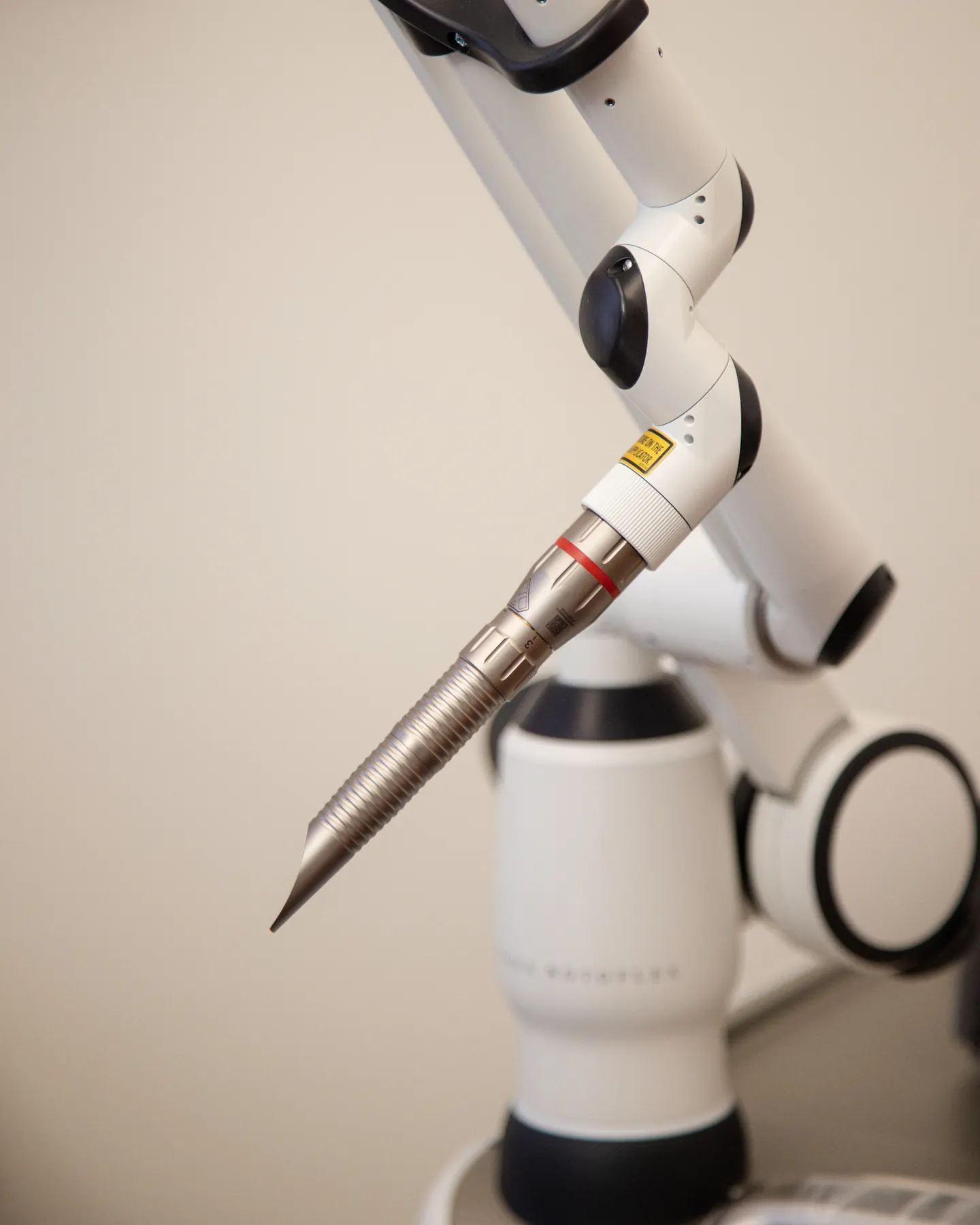
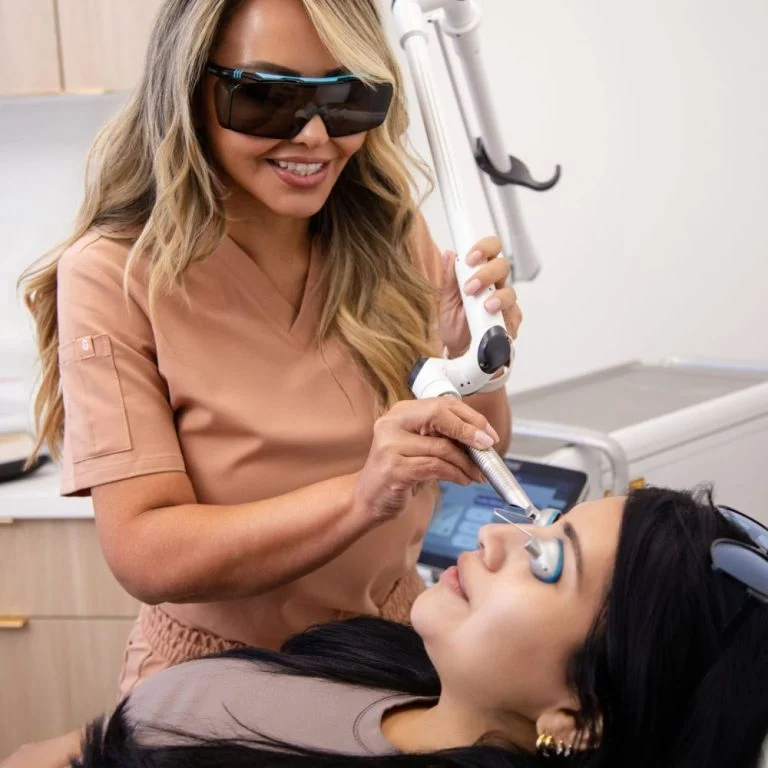

If you have been researching non-surgical skin treatments in the San Fernando Valley, chances are you have come across Fotona more than once. The name shows up in conversations about resurfacing, tightening, acne scars, fine lines, vascular concerns, and even treatments around delicate areas that used to be difficult to address without significant downtime. For many patients, the appeal is simple: a versatile laser platform that can be adjusted for different skin goals, often with less recovery than older resurfacing approaches.
That said, the words “laser treatment” can cover a lot of ground. A light peel, a collagen-stimulating session, and a more aggressive resurfacing treatment may all live under the same umbrella, yet they feel very different in the chair and ask very different things of your schedule afterward. This is where a good guide matters, especially if you are comparing providers and trying to decide whether Fotona Laser Treatments Encino, CA are actually a fit for your skin, your calendar, and your budget.
What Fotona actually refers to
Fotona is a laser platform, not one single treatment. That distinction matters. A skilled provider can use different Fotona Laser Treatments Encino, CA wavelengths and settings to target separate concerns, sometimes in one session and sometimes over a series. In practical terms, that means one patient may come in for texture and pore size, while another is more focused on laxity along the jawline, post-acne marks, or maintenance as collagen production slows with age.
The versatility is one reason many aesthetic practices like the system. A provider can often tailor intensity more precisely than patients expect. That makes Fotona useful for someone who wants visible improvement without taking a full week away from work, but it can also be adapted for patients who are ready for a stronger correction and understand that more dramatic change usually comes with more downtime.
In real clinical settings, the treatment plan tends to be less about the machine itself and more about how it is used. Two offices may both advertise Fotona and offer very different patient experiences. One may lean toward gentle maintenance sessions and subtle tightening. Another may specialize in more advanced resurfacing protocols for deeper etched lines or acne scarring. The consultation is where those differences become clear.
Why so many patients in Encino ask about it
Encino has no shortage of patients who want results that look polished but not obvious. That usually means improvement in tone, texture, and firmness without the “I disappeared for two weeks and came back looking different” effect. This is where Fotona often enters the conversation. It can fit the needs of busy professionals, parents, on-camera workers, and anyone who wants a measured approach.
The local climate also plays a role. Southern California sun exposure is relentless, even for people who are diligent with sunscreen. Years of incidental sun add up. Fine lines, uneven pigmentation, rough texture, and loss of elasticity tend to show earlier than many patients expect. Laser treatments can help address that cumulative wear, but success depends heavily on two things: selecting the right protocol and being serious about sun protection afterward. A laser can improve damage, but it cannot outwork chronic UV exposure.
Another reason people look into Fotona Laser Treatments Encino, CA is that many are trying to avoid surgery, at least for now. Not every patient with laxity or crepey skin needs or wants an operative solution. There is a large middle ground between skincare alone and surgery, and laser-based collagen stimulation lives squarely in that space.
Common concerns Fotona may help address
The broad appeal of Fotona comes from how many aesthetic concerns can be treated with one platform. Still, the phrase “can help” deserves emphasis. Lasers can improve a lot, but not every issue disappears completely, and not every patient gets the same degree of correction.
For texture and fine lines, Fotona is often used to encourage controlled remodeling in the skin. Patients usually notice that roughness softens first. Fine creasing, especially around the mouth and eyes, may gradually look less etched as collagen rebuilds over time. This is not instant gratification. Some people leave their first session looking fresher, but the structural changes tend to develop over weeks and months.
For acne scars, the goal is usually to reduce the contrast between scarred and unscarred skin. Shallow rolling scars often respond better than sharply defined deep scars, and many providers combine modalities when scarring is significant. Laser alone may not be the whole answer. In experienced hands, though, it can be a valuable part of the plan.
For laxity, especially lower face or periocular concerns, treatment settings may be chosen to create gentle tightening. The honest version is that this helps mild to moderate looseness more than severe sagging. If someone has substantial jowling or heavy neck laxity, a provider should say plainly that laser tightening has limits.
Fotona is also discussed for pigmentation and vascular issues in some practices, although treatment suitability varies depending on skin type, the exact lesion, and the provider’s comfort level. This is one of those areas where an in-person assessment matters. A brown spot that looks straightforward to a patient may be melasma, post-inflammatory pigmentation, or sun damage, and those are not managed the same way.
What treatment day usually feels like
Patients often ask a version of the same question: “How painful is it, really?” The answer depends on the intensity of the session. A lighter treatment may feel like quick snaps of heat with minimal lingering discomfort. A stronger resurfacing session can feel significantly more intense, even with topical numbing. Anyone telling you all laser treatments are comfortable is oversimplifying.
During a typical appointment, the skin is cleansed and photographed. Many offices apply a topical anesthetic and let it sit for a period that may range from about 20 minutes to an hour, depending on the area and treatment depth. Eye protection is used. Then the provider passes the laser over the skin in a methodical way, adjusting settings as needed for different regions.
Most patients describe a combination of heat and prickling. The smell during treatment can be unfamiliar the first time, especially in resurfacing procedures. It is not pleasant, but it is normal. Afterward, the skin may look pink or red, feel warm, and sometimes swell a bit, especially around the eyes. The stronger the treatment, the more those effects matter.
One practical point people appreciate hearing in advance: recovery rarely looks the same on day one and day three. Mild redness on the first day can turn into bronzing, roughness, flaking, or a sandpapery texture as the skin sheds and renews. Patients who are prepared for that process usually tolerate it much better psychologically than those expecting to look camera-ready the next morning.
Downtime, and why the word means different things to different people
“Minimal downtime” is one of the most overused phrases in aesthetics. For one person, it means they can work from home with a little redness. For another, it means they can put on makeup and go to lunch. Those are not the same thing.
With lighter Fotona treatments, some patients return to routine activities quickly, sometimes the same day or the next. Redness may be noticeable but manageable. With more aggressive resurfacing, you may be looking at several days of visible healing, followed by lingering pinkness that can last longer depending on treatment intensity and individual skin behavior.
If you have an event coming up, timing matters. In practice, I would rather see someone schedule earlier than they think they need to. Skin has its own timetable. Even when healing is perfectly normal, texture and tone can pass through awkward in-between stages. A wedding, speaking event, or major photo session is not the place to test your luck.
Who tends to do well with Fotona treatments
Good candidates usually share a few traits. They have a specific concern they can describe clearly, realistic expectations, and enough flexibility to follow aftercare properly. They also understand that one treatment may help, but a series often produces the more meaningful change.
Skin type matters. Not every laser setting is appropriate for every complexion, and not every concern should be treated with the same level of intensity across all skin tones. Providers who work responsibly will assess pigment risk, history of hyperpigmentation, active breakouts, recent tanning, medications, and whether there is any tendency toward poor wound healing or scarring.
This becomes especially important for patients with melasma, darker skin tones, recent sun exposure, or inflammatory conditions such as rosacea. That does not automatically rule out treatment. It just raises the bar for careful planning. Sometimes the best decision is to prep the skin first, lower inflammation, improve barrier function, or postpone until sun exposure is under control.
The consultation should feel specific, not generic
A strong consultation is less about sales and more about sorting. What exactly bothers you? How long has it been there? What have you tried? How much downtime can you tolerate? Are you hoping for a one-time reset or maintenance every few months?
A good provider will look at your skin at rest and in motion. That matters because some “lines” are really volume issues, some roughness is partly from barrier disruption, and some laxity is beyond what a laser can meaningfully correct. When the evaluation is careful, treatment recommendations become more nuanced.
You should also expect an honest conversation about what Fotona cannot do. If deeper folds are driven primarily by volume loss, a laser may soften the surrounding skin without fixing the root issue. If scars are tethered, another procedure may need to come first. If your main complaint is facial heaviness, a tightening laser is not a surgical lift.
Here are a few useful questions to bring into a consultation:
- What specific version of Fotona treatment are you recommending for my concern?
- How many sessions do you expect I will need for a realistic improvement?
- What will I likely look like on day one, day three, and day seven?
- What risks matter most for my skin type and history?
- If this were your face, would you choose laser alone or combine it with something else?
Those questions do more than gather information. They reveal whether the provider is thoughtful, transparent, and experienced enough to personalize care.
What results usually look like, and when you see them
One reason patients become impatient with laser treatments is that early results and final results are not always the same thing. Right after a session, skin may look tighter because of temporary swelling. Then the glow fades, healing continues, and the true benefit takes shape later.
Texture improvement often shows up earlier than tightening. Skin may feel smoother within a week or two after superficial recovery. Collagen-related changes take longer. Many patients notice gradual refinement over two to three months, sometimes longer depending on the protocol and the baseline condition of the skin.
It also helps to think in percentages rather than absolutes. Responsible providers often discuss improvement in terms of partial correction. For example, a patient with moderate acne scarring might be thrilled with a 30 to 50 percent improvement after a series, while another patient expecting every depression to vanish would feel disappointed. The treatment may be working well in both scenarios, but expectation management changes the experience.
Photography is useful here. Memory is unreliable, especially when change is gradual. Side-by-side images taken in the same lighting often show progress that patients miss in the mirror.
Cost, value, and what affects pricing in Encino
Pricing for Fotona Laser Treatments Encino, CA varies for understandable reasons. The treatment area matters. The intensity matters. The provider’s training and time matter. A quick maintenance session is not priced like a customized resurfacing appointment with substantial recovery and follow-up.
In many markets, laser pricing can range from a few hundred dollars for lighter, targeted sessions to several thousand for more involved full-face treatments or series-based plans. Because offices package services differently, sticker comparisons can be misleading. One quote may include photos, numbing, follow-up visits, aftercare products, and a detailed treatment plan. Another may not.
The better way to judge value is to ask what outcome the provider expects and what is included. A lower price is not a bargain if the treatment is underpowered for your concern. On the other hand, the most expensive option is not automatically the most thoughtful one. Experience, case selection, and setting choice often matter more than marketing polish.
How to prepare so your skin behaves better afterward
Preparation does not need to be complicated, but it does need to be consistent. Sun avoidance in the weeks leading up to treatment is one of the most important variables. Recently tanned skin is riskier to treat. So is irritated skin.
Providers often recommend simplifying your routine before treatment. If you are using strong exfoliants, retinoids, or multiple active products, you may be asked to pause some of them. The goal is not to baby the skin unnecessarily. It is to lower baseline irritation so the skin can respond more predictably.
Cold sores are another practical issue. If you have a history of them and the treatment is near the mouth, tell your provider. Preventive antiviral medication may be appropriate in some cases. This detail is easy to overlook and miserable to ignore.
Aftercare makes a visible difference
Laser outcomes are shaped not only by what happens during treatment but by what happens next. Patients who heal well tend to respect the process instead of rushing the skin back into “normal.”
The early phase usually centers on barrier support. That means gentle cleansing, heavy-handed sun protection, bland hydration, and resisting the urge to pick at rough or shedding skin. It also means stepping away from the products that people often reach for out of habit, especially acids, scrubs, and strong retinoids before the skin is ready.
The basic aftercare priorities are straightforward:
- Keep the skin clean, cool, and well moisturized.
- Avoid direct sun and use broad-spectrum sunscreen diligently.
- Do not pick, peel, or exfoliate flaking skin.
- Hold irritating actives until your provider clears you to restart them.
- Contact the office promptly if redness, swelling, or discomfort feels excessive.
Patients sometimes sabotage good treatments by reintroducing too much too soon. A serum that usually feels “active” in a satisfying way can feel like a chemical burn on freshly treated skin. The smartest aftercare is usually the most boring.
Choosing the right provider in Encino
With any laser platform, operator judgment matters at least as much as the device. A beautiful machine in inexperienced hands is still a risk. Patients often focus on technology names because those are visible online. Technique and restraint are harder to market, but they are what protect results.
Look for a provider who can explain why they are choosing a specific setting or protocol for your skin, not just recite benefits. Ask whether they treat your skin type regularly. Ask what they do when someone is not an ideal laser candidate. Providers who never say no are often the ones to be cautious about.
You should also pay attention to how the office talks about downtime and complications. If every answer sounds effortless, that is not reassuring. Real experience produces nuance. Good clinicians know that even straightforward cases can become reactive, and they prepare patients accordingly.
Before-and-after photos can help, but they are most useful when the baseline resembles your own concern. A gallery full of dramatic transformations in patients unlike you may not answer Fotona Laser Treatments Encino, CA the question you actually have.
When Fotona may not be the best first move
Sometimes the most professional recommendation is not laser, at least not yet. If the skin barrier is inflamed, if acne is actively flaring, if melasma is unstable, or if a patient has significant volume loss and expects lifting, another approach may be more effective.
There are also moments when the issue is not treatment choice but timing. A patient who just had heavy sun exposure, has a major event in ten days, or cannot realistically avoid exercise, heat, and outdoor activity during recovery might be better off postponing. Good timing can rescue an otherwise average treatment. Bad timing can turn a strong treatment into a stressful experience.
Combination care is common too. Some patients do best with laser alongside neuromodulators, filler, medical-grade skincare, microneedling, or scar-focused procedures. That does not mean everyone needs everything. It simply reflects the reality that skin concerns rarely fit into one neat category.
The bottom line for patients considering Fotona in Encino
Fotona has earned its reputation because it is adaptable, and that adaptability is exactly why patients need clear guidance before committing. The same platform can support a light refresh, a collagen-building plan, or a more assertive resurfacing approach. The right choice depends on your skin condition, your tolerance for downtime, and how honest you are about the result you actually want.
If you are exploring Fotona Laser Treatments Encino, CA, focus less on the brand name alone and more on the treatment strategy behind it. Ask how your provider would tailor the session to your skin. Ask what improvement is realistic. Ask what recovery will truly look like in your daily life.
That is usually where the best decisions begin, not with hype, but with specifics. When the plan is well matched to the patient, Fotona can be a very worthwhile tool. When expectations are vague or the consultation is rushed, even good technology can miss the mark.
OMNIA Wellness Center
Address: 16430 Ventura Blvd Ste 207, Encino, CA 91436
Phone number: +18183868511
FAQ About Fotona Laser Treatments Encino, CA
What is a Fotona laser good for?
A Fotona Laser system is a versatile, dual-wavelength medical laser used primarily for non-surgical skin tightening, anti-aging rejuvenation, and dermatological treatments.
How much does the Fotona laser cost?
The cost of a Fotona laser depends heavily on whether you are looking to purchase a laser machine for a medical practice or are a patient seeking a laser treatment at a medspa.
Is a Fotona laser worth it?
A Fotona laser treatment is generally worth it if you want non-surgical skin tightening, improved texture, and collagen stimulation with very little downtime.